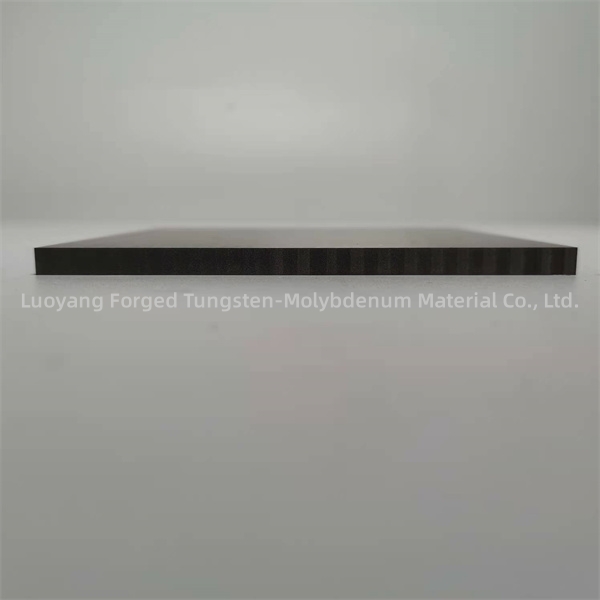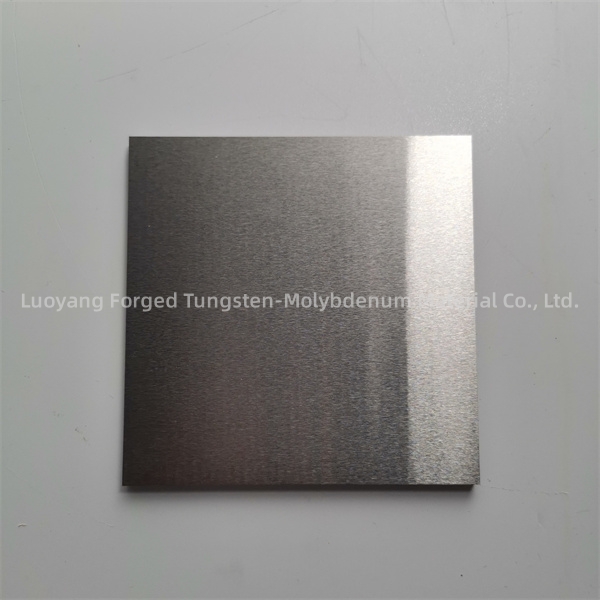
high strength polished tungsten plate
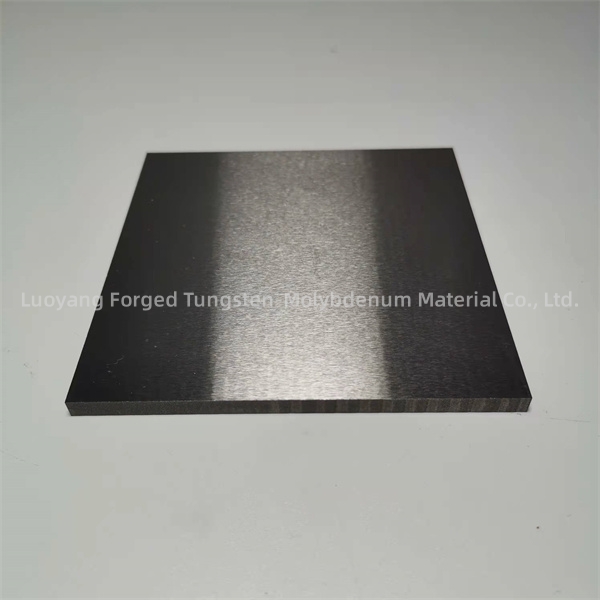
The production of high-strength polished tungsten plates involves several key steps and methods. The following is an overview of typical production processes for manufacturing high-strength polished tungsten plates:
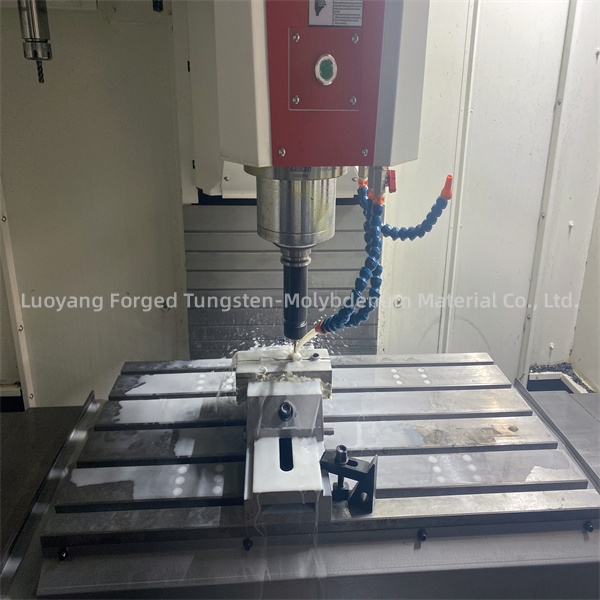
Raw material selection: Select high-quality tungsten powder as the raw material for producing tungsten plates. The purity and particle size distribution of tungsten powder play a vital role in determining the final performance of the plates. Powder compaction: A hydraulic press is used to compact selected tungsten powder under high pressure to form a green body or preform. The compaction process helps achieve the desired density and shape of the tungsten plates. Sintering: The green body is then sintered in a high-temperature furnace under controlled atmosphere or vacuum conditions. Sintering helps the tungsten particles bond together to form a strong, dense tungsten plate. Hot Isostatic Pressing (HIP): In some cases, sintered tungsten plates can be hot isostatic pressed to further increase their density and eliminate internal pores, thereby increasing their strength and toughness. Machining: After initial shaping, the sintered tungsten plates undergo precision machining processes such as grinding, milling and lapping to achieve the required size, surface finish and flatness. Polishing: The machined tungsten plates are then polished to achieve a smooth and reflective surface finish. This may involve multiple stages of polishing using diamond abrasives or other specialized polishing techniques. Quality Inspection: Throughout the entire production process, strict quality control measures are implemented to ensure that the tungsten plates meet the requirements for strength, surface finish, dimensional accuracy and purity.
It is worth noting that the production method of high-strength polished tungsten plates may vary depending on the specific application requirements and the desired properties of the final product. Advanced manufacturing techniques and materials engineering expertise are often employed to optimize production processes and improve the performance of tungsten plates for a variety of industrial and technical applications.
High-strength polished tungsten plates are used in a variety of industrial and scientific applications due to their superior material properties. Here are some common uses:
Aerospace and Defense: Tungsten plates are used in aerospace and defense applications due to their high strength, hardness and ability to withstand extreme conditions. They are used in the manufacture of components for aircraft, missiles and armor-piercing bombs. Electronics and Electrical Engineering: Tungsten plates are used in the electronics industry due to their high thermal and electrical conductivity and ability to withstand high temperatures. They are used as heat sinks, electrical contacts and in the production of electronic components. Medical Devices: Tungsten plates are used in medical devices and equipment, especially in X-ray and radiation shielding applications. Tungsten's high density effectively protects against radiation, making it suitable for use in diagnostic and therapeutic medical devices. Industrial Tools and Equipment: Tungsten plates are used to make high-strength and wear-resistant industrial tools such as cutting blades, molds and dies. Their hardness and durability make them suitable for demanding machining and forming processes. Scientific research and instrumentation: Tungsten plates are used in scientific research, especially in high temperature and vacuum environments. They are used in the construction of experimental setups, electron microscopes and various analytical instruments. Energy Industry: Tungsten plates are used in the energy sector, especially in high-temperature environments such as nuclear power generation and renewable energy technologies. They are used in components requiring high temperature stability and corrosion resistance.
In all of these applications, high-strength polished tungsten plates offer benefits such as excellent thermal and electrical conductivity, superior hardness, corrosion resistance, and the ability to maintain their performance at high temperatures. The polished surface finish further enhances its performance in applications requiring precise dimensional tolerances and smooth contact surfaces.
| Product Name | High Strength Polished Tungsten Plate |
| Material | W1 |
| Specification | Customized |
| Surface | Black skin, alkali washed, polished. |
| Technique | Sintering process, machining |
| Meltng point | 3400℃ |
| Density | 19.3g/cm3 |
Wechat:15138768150
WhatsApp: +86 15138745597
E-mail : jiajia@forgedmoly.com