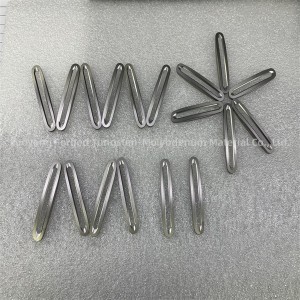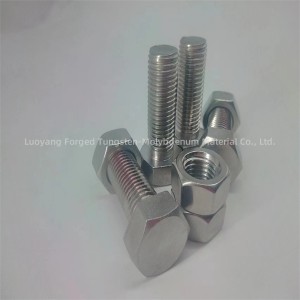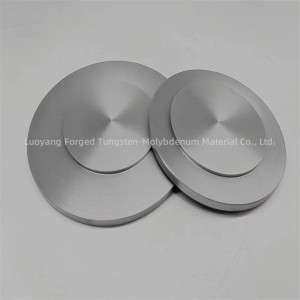
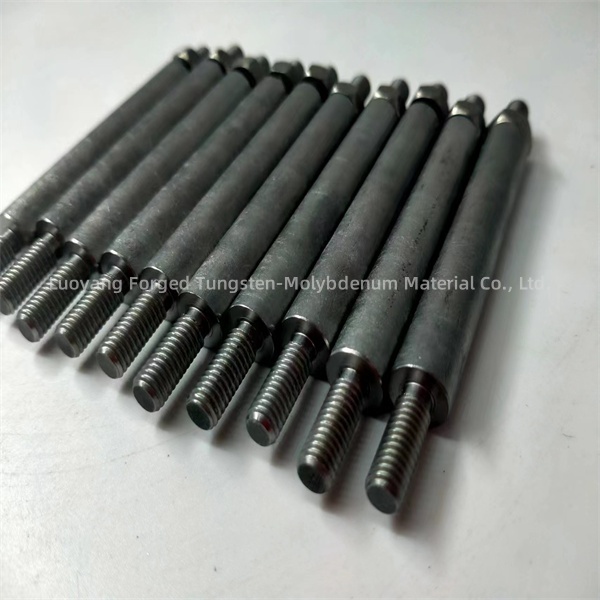
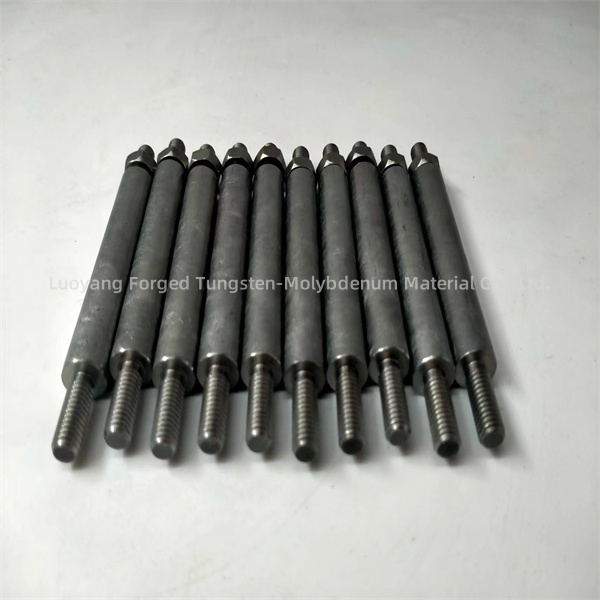
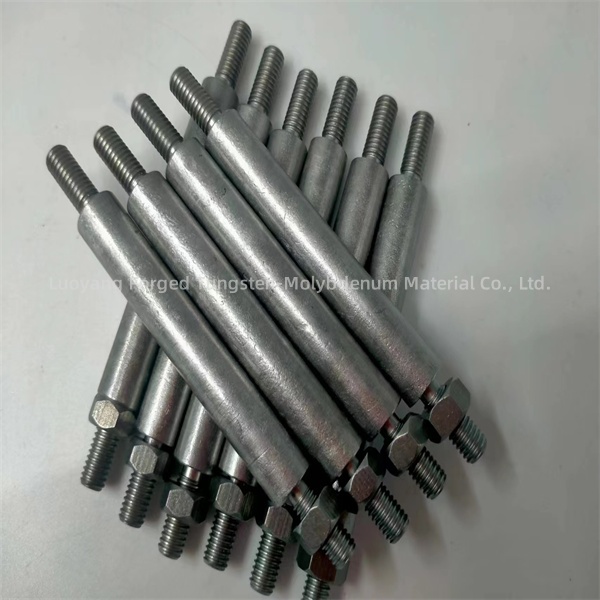
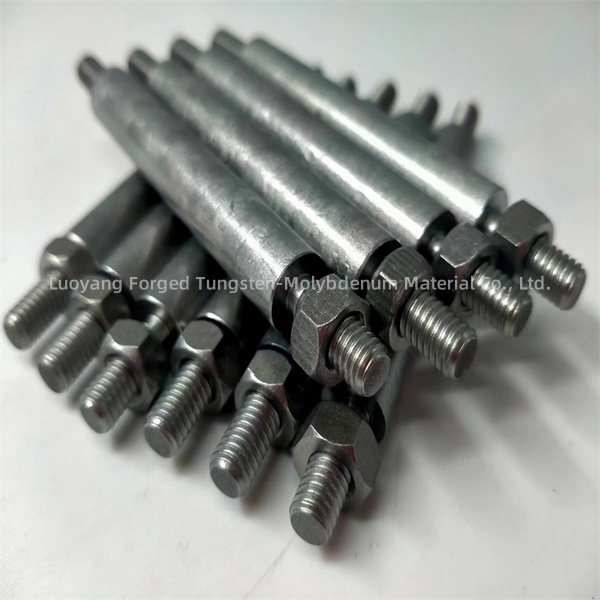
Mo screw molybdenum bolts molybdenum pin for sale
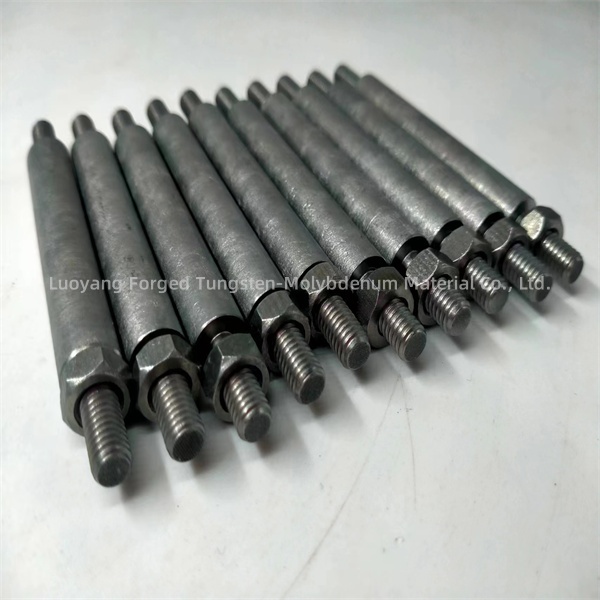
Yes, molybdenum is malleable. It has a degree of malleability that allows it to be molded into various shapes without cracking. This property makes molybdenum suitable for applications requiring shaping and forming processes, such as rolling, forging and extrusion. Malleability is an important property of molybdenum as it enables the material to be manufactured into different components and parts for use in different industries.

Molybdenum is widely used in various industries due to its excellent properties. Some common applications of molybdenum in industry include:
1. Aerospace and Defense: Molybdenum is used in aircraft and aerospace components, missile and rocket components, and defense applications due to its high strength, heat resistance, and ability to withstand extreme conditions.
2. High-temperature furnaces: Molybdenum is used in the construction of high-temperature furnaces, heating elements and other high-temperature equipment due to its high melting point and excellent thermal conductivity.
3. Electronics and Semiconductors: Molybdenum is used as a material in the production of semiconductor devices, electrical contacts, and thin film transistors due to its conductivity and high temperature stability.
4. Chemical Processing: Molybdenum is used in chemical processing equipment such as reactors and vessels due to its resistance to corrosion by acids and other corrosive chemicals.
5. Glass and Ceramics: Molybdenum is used in the glass and ceramics industry for applications such as glass-melting electrodes and furnace components due to its high-temperature strength and resistance to molten glass.
6. Medical devices: Molybdenum is used in medical devices and implants due to its biocompatibility and corrosion resistance in the human body.
These are just a few examples of molybdenum’s many uses in industry. Its unique combination of properties makes it a valuable material with a wide range of applications.

Molybdenum is an essential trace element for humans and is not considered toxic at normal dietary concentrations. In fact, molybdenum is a cofactor for several enzymes involved in important biological processes. However, excessive exposure to molybdenum, especially in the form of molybdenum compounds, can lead to poisoning. High levels of molybdenum in the environment or occupational exposure can cause adverse health effects. Molybdenum toxicity can affect the kidneys, liver and other organs and interfere with the body's ability to metabolize copper. It is important to note that molybdenum toxicity is rare and usually occurs in industrial settings or due to environmental pollution. Molybdenum is not considered to pose a significant toxicity risk at normal dietary intakes. As with any substance, proper handling and exposure controls are important to minimize potential health risks.

Wechat:15138768150
WhatsApp: +86 15838517324
E-mail : jiajia@forgedmoly.com